
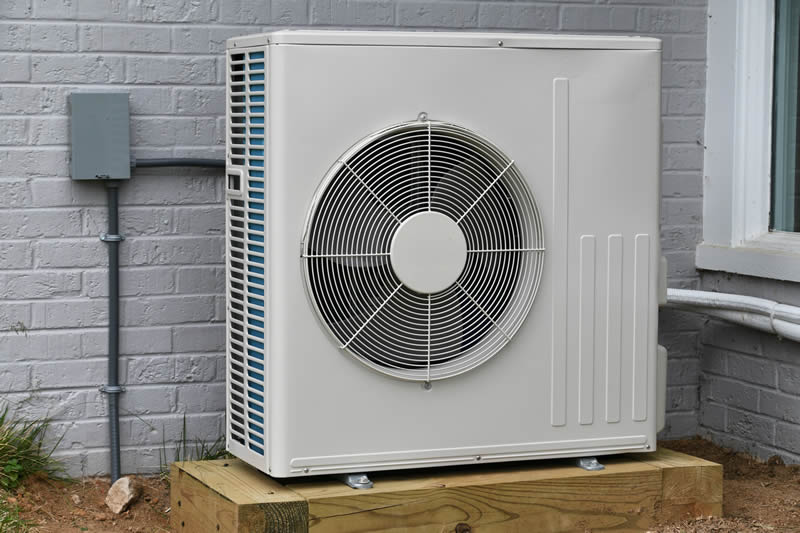
Have you just become the owner of a heat pump and wondering how to best use it? Heat pumps generally use heat from outside to provide hot water to feed radiators or under-floor heating. This beginners guide explains some of the basics which will make you more comfortable in your home and save you money.
The System and controls
- heat pump unit outside, drawing in air and using it to heat water,
- hot water storage cylinder in the house,
- control system,
- some ancillary units, pipes and wires to connect everything together.
All you need to concern yourself with are the controls. These may be a smartphone app, a separate unit on the wall, a counter top gadget or attached to the hot water cylinder. You will need a manual/online guide to learn how to change the controls and settings.
Radiators don’t have individual temperature settings like a TVR – if you want some cooler rooms, the water flow to these radiators has to be restricted and you may need a plumber to do this.
Heating
Regular usage – Heat pump systems don’t work like traditional gas central heating, so forget all of that! One big difference is that heat pumps work best when the heating is on all the time. The room temperature only changes very slightly during the day, typically beginning around 20C all the time. A timer can vary the temperature between say 18C at night to 21C in the evening. This usage pattern is actually the most efficient and cheapest way to use your system. Your home will feel comfortable and it minimises condensation. If you do control your room temperature with a thermostat, make sure it is in a living area and preferably one not subjected to much direct sunlight.
How the weather affects your heat pump – all modern systems have something called Weather Compensation (WC) By using this WC, the water temperature in your radiators/under-floor heating will be regulated to provide the right temperature, compensating for the heat that has been extracted from the air. So it stops your radiators from feeling cold in the winter or boiling hot in the middle of a heatwave. It is very important to make sure you use WC on your system to minimise your usage of electricity. In the summer you can leave the heating on or switch it off – it won’t make much difference!
Going away – If you go away in the winter for a week or two, it is best not to switch the heating off but to reduce the required room temperature to a lower temperature of say 16C. When you come home, the heating system will gradually heat up rather than taking ages to start from scratch if the system has been off.
Hot Water
Heat pumps provide hot water by sending a flow of hot water from the heat pump through a coil in a hot water cylinder to heat it up. It will usually take about an hour to heat a full tank of water. A heat pump cannot run your heating and heat hot water at the same time. Not a big problem as you can schedule this to happen during the night or during a time when the house will be empty. If you have a big demand for hot water, you can schedule this to happen twice a day. In an emergency some systems are fitted with a separate electrical immersion heater which can be used as a backup when you need extra hot water but this will use a lot more electricity
Your hot water temperature should normally be set quite low, around 45C to 55C, which is adequate for domestic needs and eliminates the risk of scalding. It also uses less electricity. To keep things in tip top shape, you need to set your system to heat water above 60C once a week/fortnight to prevent the very small risk of legionella building up in the cylinder.
Running Costs
Running a heat pump should cost a similar amount to a gas central heating system but large savings can be made by making sure you run your system efficiently by using some of the suggestions above. Additionally, using off-peak tariffs can give substantial savings. Standard tariff electricity prices are typically 28p per unit (kWh) compared to gas which is typically 7p per unit (kWh). However heat pump systems are hugely more efficient that conventional gas systems.
Look at what your current energy supplier can offer you and also shop around other companies. There are various offers, including ‘time-of-use’ tariffs, with cheaper off-peak periods. These are offered to most customers and especially those with electric heating, heat pumps and electric vehicles. You can then run your systems at the cheapest time of day using all the tricks we’ve discussed here.
Having solar panels and a home battery will also allow you the flexibility to make even more substantial cost savings, but that’s another story!
Further guidance
There are many good guides on heat pumps but we recommend Mick Wall’s Energy Stats website blog: https://energy-stats.uk/blog-summary/